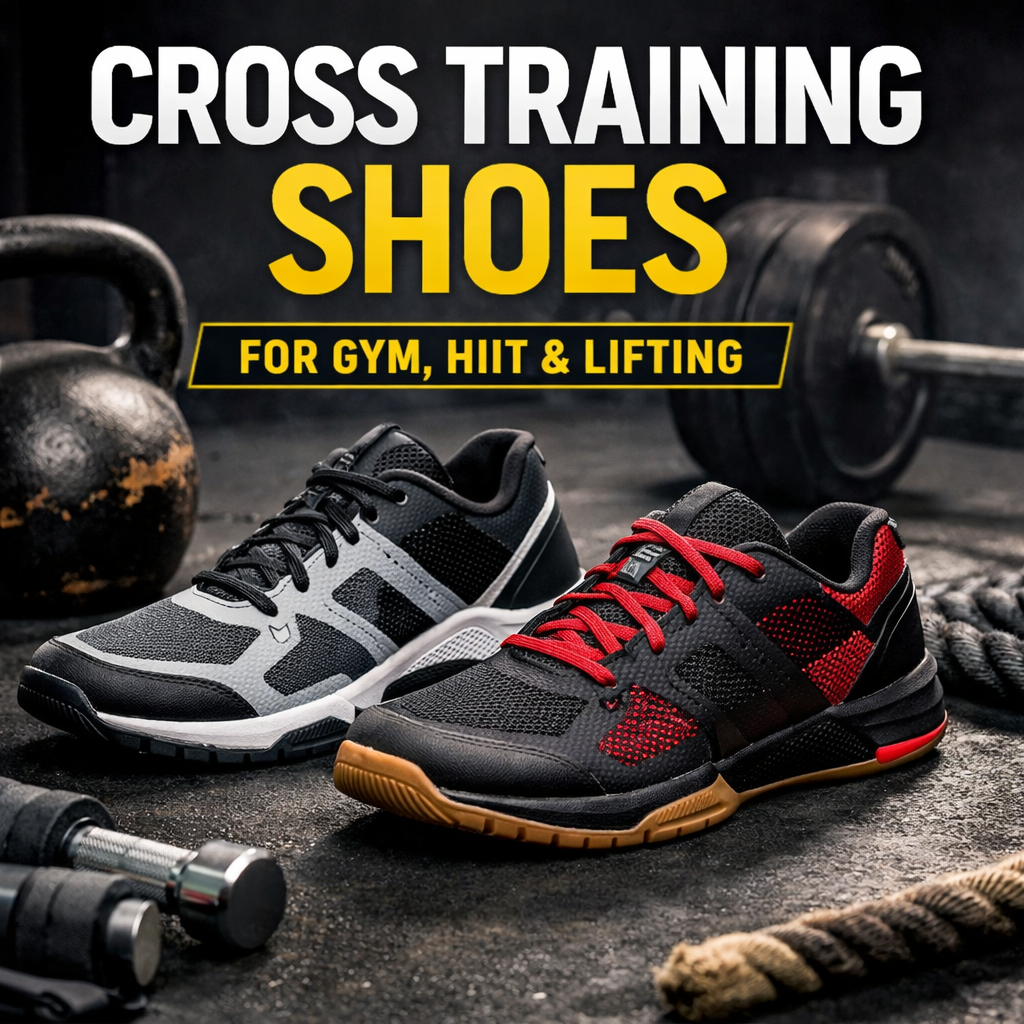
Cross Training Shoes: The Ultimate Guide for Performance, Comfort, and Versatility
When it comes to fitness footwear, few options are as versatile and practical as cross training shoes. Whether you lift weights, run short distances, attend HIIT classes, or train at the gym regularly, cross training shoes are designed to support multiple types of movements without compromising comfort or stability.
In this detailed guide, you’ll learn exactly what cross training shoes are, why they matter, how to choose the right pair, and which features actually make a difference. If you’re tired of switching between running shoes and gym shoes, this article will help you make a smarter, long-term choice.
What Are Cross Training Shoes?
Cross training shoes are multi-purpose athletic shoes built to handle a wide variety of workouts. Unlike running shoes that are optimized only for forward motion, cross training shoes are designed to support:
- Lateral (side-to-side) movements
- Weightlifting and strength training
- High-intensity interval training (HIIT)
- Agility drills
- Short treadmill or outdoor runs
The main goal of cross training shoes is balance — balancing stability, flexibility, cushioning, and durability in a single shoe.
Why Cross Training Shoes Matter
Wearing the wrong footwear during workouts can lead to discomfort, reduced performance, and even injuries. Here’s why proper cross training shoes are essential:
1. Stability During Lifts
Cross training shoes usually have a flatter and firmer sole compared to running shoes. This gives you better ground contact and balance when squatting, deadlifting, or doing lunges.
2. Support for Multi-Directional Movements
Unlike running shoes, which mainly support forward motion, cross training shoes are reinforced on the sides to prevent ankle roll during lateral exercises like бок jumps, shuttle runs, and agility drills.
3. Reduced Injury Risk
Better heel support, stronger sidewalls, and a stable midsole reduce stress on joints and minimize the risk of ankle, knee, and foot injuries.
4. Long-Term Cost Efficiency
Instead of buying separate shoes for gym workouts, lifting, and light cardio, one good pair of cross training shoes can handle all of it.
Key Features of High-Quality Cross Training Shoes
Not all cross training shoes are built the same. Here are the features you should always look for:
1. Firm and Stable Midsole
A dense midsole improves balance during lifts and prevents your foot from sinking into the sole.
2. Low Heel-to-Toe Drop
Most cross training shoes have a heel-to-toe drop between 4mm and 8mm, which improves posture and lifting stability.
3. Reinforced Sidewalls
Strong sidewalls protect your feet during lateral movements and rope climbs.
4. Durable Outsole
Rubber outsoles with multi-directional grip patterns provide traction on gym floors, turf, and pavement.
5. Breathable Upper
Mesh or knit uppers allow airflow and prevent overheating during intense workouts.
6. Toe Protection
Extra rubber or synthetic overlays around the toe protect against wear and tear during floor exercises.
Cross Training Shoes vs Running Shoes
Many people mistakenly use running shoes for gym workouts. Here’s why that’s a bad idea:
| Feature | Cross Training Shoes | Running Shoes |
|---|---|---|
| Midsole | Firm and stable | Soft and cushioned |
| Lateral Support | High | Low |
| Heel Drop | Low to moderate | High |
| Best For | Gym, HIIT, lifting | Long-distance running |
Bottom line: Running shoes are great for running. Cross training shoes are better for everything else.
How to Choose the Right Cross Training Shoes
Choosing the right pair depends on your training style, body type, and preferences.
1. Identify Your Main Workouts
- More lifting? Choose flatter, firmer soles.
- More HIIT? Choose moderate cushioning and flexibility.
- Mixed training? Choose balanced models.
2. Check Fit and Width
Your toes should have enough space to spread naturally. Tight shoes reduce balance and cause discomfort.
3. Look at Ankle Support
If you do a lot of lateral movement, choose shoes with a secure heel cup and side reinforcement.
4. Consider Weight
Lighter shoes improve speed and agility, while heavier shoes improve stability.
Who Should Wear Cross Training Shoes?
Cross training shoes are ideal for:
- Gym-goers
- HIIT participants
- CrossFit athletes
- Strength trainers
- Fitness class attendees
- People who do mixed workouts
If your workout routine includes more than one type of exercise, these shoes are almost always the right choice.
Common Mistakes When Buying Cross Training Shoes
1. Choosing Style Over Function
Looks don’t matter if the shoe lacks stability or support.
2. Buying Running Shoes for the Gym
This reduces lifting stability and increases injury risk.
3. Ignoring Fit
Even the best shoe fails if it doesn’t fit your foot shape.
4. Over-Cushioned Soles
Too much cushioning hurts balance and control.
How Long Do Cross Training Shoes Last?
On average, a good pair lasts 6–12 months depending on usage.
- Heavy daily use: 4–6 months
- Moderate use: 8–12 months
- Occasional use: 12+ months
Replace your shoes when the sole flattens, grip disappears, or stability decreases.
Care Tips to Extend Shoe Life
- Air-dry after workouts
- Avoid machine washing
- Rotate with another pair
- Use shoe deodorizer
Final Thoughts: Are Cross Training Shoes Worth It?
If you train regularly and perform more than one type of exercise, cross training shoes are absolutely worth the investment.
They improve stability, reduce injury risk, enhance performance, and eliminate the need for multiple pairs of workout shoes. Instead of compromising with running shoes or casual sneakers, choosing proper cross training shoes is one of the smartest upgrades you can make to your fitness routine.
Bottom line: One solid pair of cross training shoes can transform how you train, lift, move, and perform.